This post is my personal experience, not health advice.
I’d heard about gratitude journals for years and assumed they were a bit cheesy. Then a friend mentioned she was trying one, and I decided to give it a fair try for one month.
How I set it up
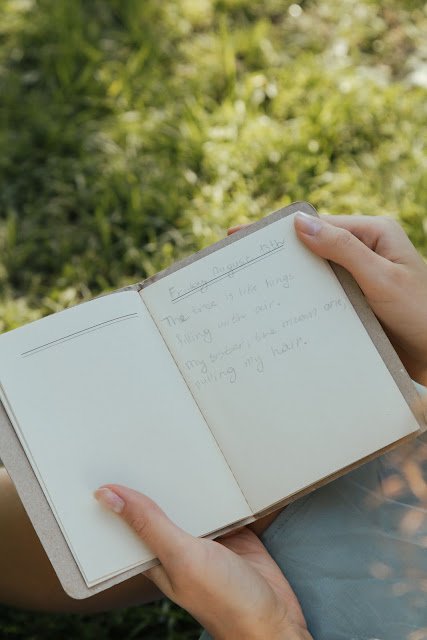
I used a small notebook and wrote three things I was grateful for each evening before bed. I kept it short on purpose: a few lines, about five minutes, so it would be easy to keep up.
The first week felt awkward
At first I struggled to think of anything beyond the obvious, like family and food. My early entries were things like “good lunch” and “sunny day.” Some days I wrote things that felt forced, and I decided that was okay.
Getting more specific
What made it more interesting was writing about small, specific moments rather than big general things, like “the first sip of coffee on a quiet morning” or “a friend who sent a funny message when I was having a long day.” Being specific made me pay more attention during the day, because I knew I’d be looking for something to write.
What I noticed after a month
Looking back through the pages, I found patterns in what I wrote: lots of small everyday things I’d already forgotten. I can only speak for myself, and I’m not suggesting a journal will change how anyone feels. For me, it was a pleasant, calm way to end the day.
What didn’t work
I missed several days, especially when I was tired or traveling. I stopped trying to catch up on missed entries and just picked up again the next day.
Tips if you want to try it
- Keep your journal somewhere visible so you remember it.
- Set a small, realistic goal, like one to three lines.
- Don’t worry about handwriting, spelling, or sounding profound.
- If nothing comes to mind, write something simple like a warm drink or a good song.
My takeaway
A month of gratitude journaling turned out to be a quiet, low-effort habit I didn’t regret, and I kept going with a shorter version after the month ended.
Have you tried journaling? Tell me what worked for you in the comments.